Beekeeping in Slovenia, a Way of Life
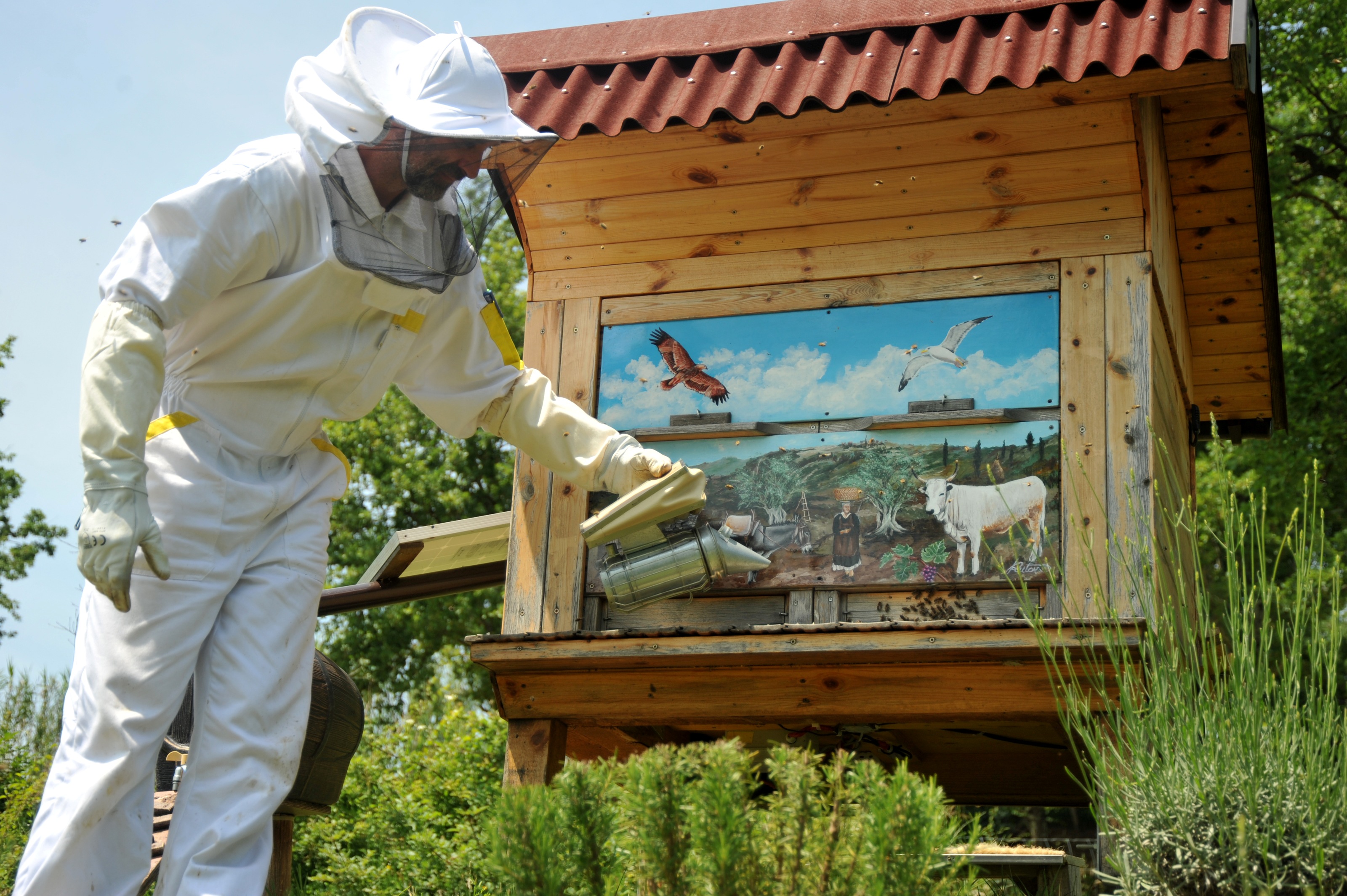
UNESCO’s Intergovernmental Committee for the Safeguarding of the Intangible Cultural Heritage, which met in Rabat, Morocco, from 28 November to 3 December 2022, inscribed the nomination Beekeeping in Slovenia, a Way of Life, submitted by Slovenia in March 2021, on UNESCO’s Representative List of the Intangible Cultural Heritage of Humanity. The nomination was highlighted by UNESCO’s Evaluation Body as an example of good practice in its preparation.
On 1 December 2022, at its 17th session, the Intergovernmental Committee endorsed the recommendation of UNESCO’s Evaluation Body that the nomination Beekeeping in Slovenia, a Way of Life be inscribed on UNESCO’s Representative List.
In 2015, an initiative to inscribe beekeeping in the national Register of the Intangible Cultural Heritage was submitted to the Slovene Ethnographic Museum, which performs the tasks of the Coordinator for the Safeguarding of the Intangible Cultural Heritage. In cooperation with the bearers and with the support of the Slovenian Beekeepers’ Association, the Coordinator prepared several proposals related to this field, which were inscribed into the Register between 2018 and 2020. The elements of intangible cultural heritage inscribed into the Register are: Beekeeping; Painting of Beehive Panels; Migratory Beekeeping; Making of Beehives and Apiaries; Breeding of Carniolan Queen Bees; and Apitherapy. The elements Gingerbread Making and the Making of Small Breads and Wooden Models are also indirectly related to the proposed element.
In December 2018, the Slovenian Beekeepers’ Association established a working group to prepare the nomination for the inscription of beekeeping in Slovenia on UNESCO’s Representative List. The project of preparing and submitting the nomination was led by the Ministry of Culture, represented by Špela Spanžel. The working group that prepared the nomination and the necessary documentation included representatives of the bearers, the Slovenian Beekeepers’ Association, the Beekeeping Museum in Radovljica, and the Slovene Ethnographic Museum / Coordinator for the Safeguarding of Intangible Cultural Heritage, represented by M.A. Anja Jerin, curator for intangible cultural heritage; M.A. Adela Pukl, curator for spiritual culture; and Barbara Sosič, curator for economic practices, transport and traffic culture.
The nomination presents beekeeping in Slovenia, with an emphasis on its cultural significance. The bearers are beekeepers organised in more than 200 associations united within the Slovenian Beekeepers’ Association. In terms of the number of beekeepers per 1,000 inhabitants, Slovenia ranks among the highest in the world and is also recognised for its expertise and advanced beekeeping technologies. Beekeepers pass on their skills, knowledge and values from generation to generation, which is reflected in their exceptionally positive impact on the wider community and the environment. Distinctive features of beekeeping in Slovenia include the indigenous Carniolan honey bee, apiaries, painted beehive panels, and AŽ hives.